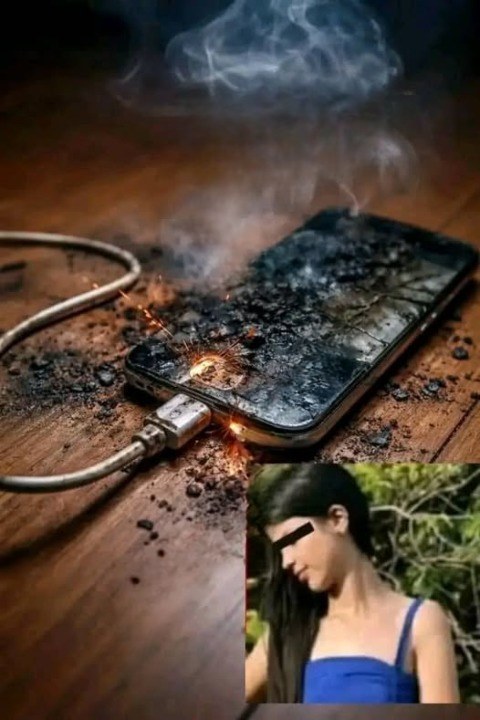
We use them every single night without hesitation, often right beside where we sleep. Phones, tablets, and laptops are now essential parts of daily life, but the accessories that power them—chargers and cables—can carry risks most people never consider. While electricity has become something we rely on constantly, an increasing number of domestic fires and electrical incidents are being linked back to one simple issue: unsafe charging habits. Something as ordinary as a worn cable or a low-quality replacement charger can quietly turn into a serious hazard. It’s worth taking a closer look at the hidden electrical dangers in everyday charging routines before they become a real problem.
On the surface, charging looks completely harmless: power flows from a socket into a battery until it’s full. When everything is properly made and undamaged, built-in protections help control voltage and temperature to keep things stable. But that balance can be easily compromised. A major risk comes from counterfeit or unapproved chargers. These cheaper versions often skip proper insulation, surge protection, and quality components found in certified products. Without those safeguards, even a small power surge can cause overheating, melting the casing and potentially igniting nearby objects like fabric, paper, or bedding.
The risk isn’t limited to the adapter alone—the cable itself can be just as dangerous. Many people continue using cords that only work when positioned a certain way, treating it as a harmless inconvenience. In reality, this is a warning sign of internal damage. Exposed wiring or cracked insulation can reveal live conductors, increasing the chances of short circuits or shocks. When such a cable is used alongside overloaded extension strips powering multiple devices at once, the system can overheat rapidly. This buildup of heat can escalate quickly into a situation where ignition becomes possible within moments.
Where you place your devices while charging is equally important. It’s common to leave phones on beds, couches, or thick rugs while they charge, but this significantly increases risk. Soft materials trap heat instead of allowing it to disperse, especially during longer charging cycles. With limited airflow, temperatures can rise to dangerous levels, potentially damaging the battery internally or even causing surrounding fabric to overheat. Safety specialists consistently recommend charging only on firm, flat surfaces that allow proper ventilation around the device.
There are also clear warning signs that should never be ignored. A charger that becomes unusually hot, produces a faint burning smell, or shows discoloration is already signaling failure. Likewise, inconsistent charging—where power cuts in and out repeatedly—is more than just an annoyance; it indicates unstable connections that can spark under stress. These symptoms should always be treated as immediate reasons to unplug and replace the equipment.
Preventing these risks comes down to a few straightforward habits. Using certified chargers instead of cheap alternatives, regularly checking cables for damage, and responding immediately to unusual smells, heat, or sparks can make a major difference. Despite the dramatic warnings often seen online, electrical safety is largely about consistency and awareness. Choosing reliable equipment and paying attention to its condition ensures your devices stay powered without putting your home at risk. In the end, safety is always worth more than saving a few extra dollars on a charger.