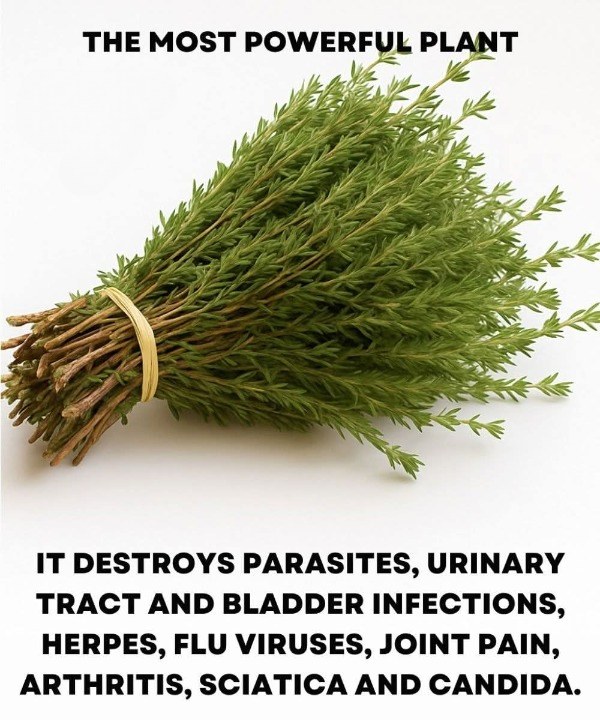
In most kitchens, oregano is just another spice. A quick sprinkle on pizza, a dash in pasta sauce, nothing more. But behind that familiar flavor is a plant that has been used for centuries in traditional medicine—and today, science is starting to take a closer look at why.
Oregano, known scientifically as Origanum vulgare, contains natural compounds like carvacrol and thymol. These substances are what give the herb its strong aroma, but they also have antimicrobial properties. That means they can help fight certain bacteria, fungi, and even some viruses in controlled settings.
Ancient cultures already recognized this.
Greek and Roman healers used oregano for wound care, breathing issues, and digestive problems. Back then, it wasn’t just seasoning—it was part of everyday healing practices.
Modern research hasn’t turned oregano into a miracle cure, but it has confirmed that it’s more than just a flavor enhancer.
One of the most talked-about uses today is oregano oil.
This is a concentrated extract, and it’s much stronger than the dried herb you cook with. In laboratory studies, oregano oil has shown the ability to inhibit the growth of certain microbes, including Candida, a type of yeast that naturally lives in the body but can sometimes overgrow.
When that balance is disrupted, people may experience symptoms like bloating, digestive discomfort, or fatigue.
That’s where oregano comes in—not as a guaranteed fix, but as a supportive tool.
Some people use it to help maintain gut balance. Others turn to it during cold and flu season because of its antimicrobial and anti-inflammatory effects. There’s also growing interest in how it may support the immune system in general.
But it’s important to stay grounded here.
Oregano is not a replacement for medical treatment. It doesn’t “wipe out” conditions on its own, and claims like that tend to exaggerate what it can actually do.
Used correctly, it can support the body—not replace proper care.
There are also a few different ways people use it.
Drinking oregano tea is one of the simplest. It’s mild, accessible, and easy to incorporate into a routine. The essential oil is much more potent, and that’s where caution becomes important.
Oregano oil should never be used undiluted.
It can irritate the skin and even cause harm if taken improperly. Most people who use it mix it with a carrier oil like olive or coconut oil, and many prefer to do so with guidance from a healthcare professional.
Topical use is another option. When diluted properly, it’s sometimes used for minor skin issues or fungal concerns like athlete’s foot. Again, it’s about careful use, not quick fixes.
What makes oregano interesting isn’t hype—it’s consistency.
It’s a plant that has been used across generations, across cultures, and now has some scientific backing to explain why. It supports digestion, contributes to immune health, and contains compounds that interact with microbes in meaningful ways.
But like many natural remedies, its strength lies in balance.
It works best as part of a bigger picture—healthy habits, proper nutrition, and, when needed, medical care.
At the end of the day, oregano is still sitting quietly on your spice rack.
It doesn’t look powerful. It doesn’t feel like medicine. But it carries a long history and a growing body of research that shows it has more to offer than most people realize.
Not a miracle. Not magic.
Just a simple plant with real, useful properties—when used the right way.