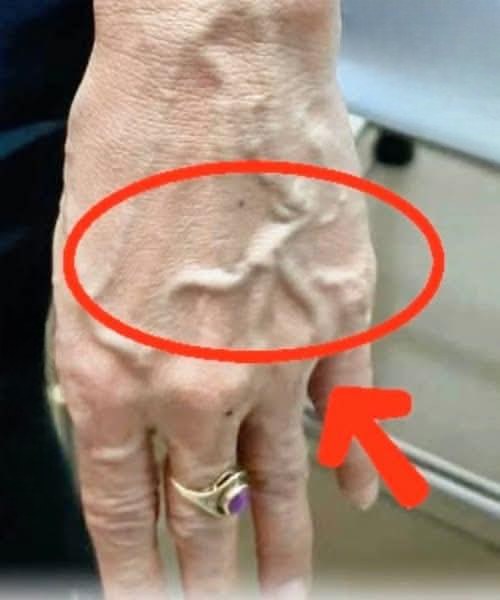
Bulging veins are not always a reason to panic. In many situations, they can appear temporarily after exercise or during hot summer weather and may be completely harmless. However, there are also cases where suddenly visible or swollen veins can point to circulation problems that should not be ignored. Understanding what causes veins to bulge can help you determine whether the issue is harmless or something that deserves medical attention.
Your veins work like a transportation system that carries oxygen depleted blood back to the heart. Unlike arteries, which benefit from gravity and strong blood pressure, veins, especially in the legs, must work against gravity. To do this, they rely on tiny one way valves and surrounding muscle movement to help push blood upward.
When those valves weaken or pressure builds inside the veins, blood can begin pooling instead of circulating properly. That pressure causes veins to enlarge and become much more visible beneath the skin.
One very common cause of visible veins is physical activity. During exercise, muscles contract intensely and demand increased blood flow. This forces nearby veins closer to the skin’s surface, especially in people with low body fat or athletes. In those cases, visible veins are usually not dangerous and are simply a response to increased circulation.
There are also several everyday factors that can contribute to bulging veins:
Aging can weaken vein valves over time and reduce their efficiency.
Genetics also play a major role. If your parents had highly visible veins or varicose veins, you are more likely to develop them too.
Hot temperatures naturally expand blood vessels, making veins stand out more.
Tight clothing around the waist or groin can increase pressure inside veins.
Excess body weight puts additional strain on the veins in the legs.
And sitting or standing for long periods reduces the normal muscle movement that helps blood circulate upward properly.
While some of these situations only create temporary vein visibility, repeated pressure over time can eventually lead to chronic vein problems.
In many people, bulging veins are actually one of the earliest signs of varicose veins, which are part of a larger group of chronic venous disorders. This happens when the one way valves inside veins stop functioning correctly and allow blood to flow backward, causing the veins to fill and stretch.
Varicose veins most commonly appear in the legs and feet, though they can occasionally develop in the arms or pelvic area as well. They often look twisted, swollen, and dark blue or purple in color. Some people experience no symptoms beyond the appearance itself, while others may develop aching legs, heaviness, or discomfort.
According to the NHS, varicose veins are caused by a mechanical failure within the veins. Once the valves stop working properly, blood begins flowing backward and stretches the vein walls over time.
Several factors can rapidly increase the likelihood of developing bulging or varicose veins.
Hormonal changes during puberty, pregnancy, or menopause can relax vein walls.
Pregnancy places additional pressure on veins because of increased blood volume and the growing uterus pressing against pelvic veins.
A lack of movement from desk jobs or standing for long hours reduces healthy circulation.
Smoking damages blood vessels and negatively affects blood flow.
And aging itself gradually weakens the vein structure and valves over time.
The Mayo Clinic also notes that women are statistically more likely than men to develop varicose veins due to hormone related changes.
Although many cases of visible veins are harmless, certain symptoms should never be ignored because they may signal more serious circulation issues.
You should speak with a healthcare professional if bulging veins are accompanied by:
Persistent leg pain or a heavy aching sensation
Swelling in the feet or ankles that does not improve overnight
Skin changes such as discoloration, shininess, or thickening
Ongoing itching or eczema like irritation around veins
Veins that feel hard, warm, or painful when touched
Or symptoms that suddenly worsen very quickly
One particularly important warning sign is skin discoloration. This can indicate long term circulation problems that reduce oxygen and nutrient delivery to surrounding tissue, eventually damaging the skin itself.
When vein valves continue failing, blood repeatedly backs up and increases pressure inside the vessels. Over time, this pressure weakens and deforms the vein walls while also interfering with proper nutrient and oxygen delivery to nearby tissues.
If left untreated for too long, this condition can eventually develop into Chronic Venous Insufficiency, often called CVI, which is a progressive condition that worsens over time.
Untreated varicose veins can also lead to serious complications.
One possible complication is venous ulcers. These are painful open wounds caused by prolonged fluid buildup and poor circulation that damages skin tissue from within. Because blood flow in the affected area is poor, these ulcers are often difficult to heal and commonly return even after treatment. The Cleveland Clinic identifies venous ulcers as one of the major complications of chronic venous insufficiency.
Another serious risk is blood clots.
Slow moving blood creates ideal conditions for clot formation. Clots may develop in surface veins, called superficial thrombophlebitis, or deep inside muscles as Deep Vein Thrombosis, commonly known as DVT.
DVT is especially dangerous because part of the clot can break free and travel to the lungs, causing a potentially life threatening pulmonary embolism. According to the CDC, recognizing DVT symptoms quickly is extremely important because immediate medical treatment may be necessary.
Diagnosing vein problems is usually fairly straightforward. Doctors typically examine the legs and feet while the patient is standing and review their medical history. In many cases, they also order a duplex ultrasound, which is a painless, non invasive imaging test that maps blood flow and identifies which vein valves are malfunctioning.
Treatment depends entirely on how severe the condition has become.
Milder cases may improve through lifestyle changes alone, while more advanced vein disease may require outpatient procedures.
Treatment options can include:
Compression stockings that help veins push blood upward more efficiently
Elevating the legs above heart level throughout the day
Regular walking and exercise to improve circulation
Maintaining a healthy weight
Sclerotherapy, where medication is injected directly into damaged veins to close them
Laser or radiofrequency treatments that seal veins internally using heat
Or surgery for severe cases requiring removal or bypass of damaged veins
Ultimately, the main goal of treatment is restoring healthy blood flow and reducing pressure within the veins.
There are also several ways to reduce stress on your blood vessels and help prevent vein problems from worsening.
Staying physically active encourages healthy circulation.
Avoid sitting cross legged or remaining in one position for too long.
Maintaining a healthy weight reduces strain on the legs.
Loose fitting clothing prevents unnecessary pressure around the waist and thighs.
Avoiding smoking helps protect blood vessel health.
And elevating your feet after long days can help relieve pressure in the veins.
The Cleveland Clinic emphasizes that consistent healthy habits are one of the best ways to slow vein deterioration and support circulation over time.
Medical disclaimer: This information is intended for educational purposes only and should never replace professional medical advice, diagnosis, or treatment. Always consult a qualified healthcare provider if you have concerns about your veins, circulation, or overall health.