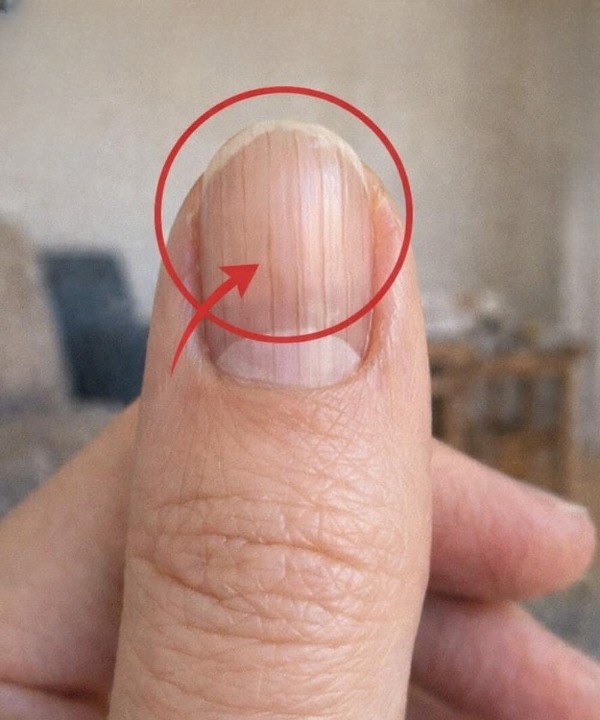
In today’s world of wellness trends and longevity research, more people are searching for ways to understand their true biological age and overall health. One growing topic of interest is the idea that your fingernails may provide valuable insight into what is happening inside your body. Experts in aging and health optimization, including figures like David Sinclair, have discussed how small physical changes can reflect deeper cellular activity. While some online claims exaggerate the connection between nails and lifespan, there is legitimate science behind paying attention to nail health. Because your nails are constantly growing and exposed to both internal and external influences, they can sometimes act as subtle indicators of your body’s condition.
Rather than revealing an exact prediction about lifespan, the most important factor researchers focus on is the long-term speed of nail growth.
How Nail Growth Reflects Cellular Health
Fingernails grow through constant cell regeneration. When the body is functioning efficiently, new cells are produced quickly and consistently. As the aging process advances, this regeneration naturally slows down. Because of this, slower nail growth may reflect reduced metabolic and cellular activity over time.
Research dating back to the 1970s found that fingernail growth gradually decreases after the age of thirty. Although this slowdown cannot predict exactly how long someone will live, it may provide a rough indication of biological age rather than chronological age. Biological age reflects how healthy and resilient the body truly is internally, regardless of the number of years a person has lived. Lifestyle choices, nutrition, genetics, and stress levels all influence this process.
What Visible Nail Changes May Mean
Beyond growth speed, doctors often study changes in nail color, texture, and shape because they can sometimes point to underlying health concerns.
Dark vertical streaks running from the cuticle to the tip of the nail should always be evaluated by a medical professional. In some cases, they may indicate melanonychia, which can rarely be associated with a dangerous skin cancer called subungual melanoma.
Small dents or pits across the nail surface are commonly linked to inflammatory conditions like psoriasis. They may also appear in people with alopecia areata or psoriatic arthritis.
Yellow nails are usually caused by fungal infections, but persistent discoloration may occasionally signal thyroid disease, diabetes, or chronic respiratory conditions.
Clubbing, where the fingertips enlarge and the nails curve downward, can be connected to long-term heart or lung problems such as chronic obstructive pulmonary disease.
Very pale or white nails may suggest anemia, iron deficiency, or liver-related issues.
Bluish nails often indicate reduced oxygen levels in the blood, which can occur with respiratory or cardiovascular problems.
Not Every Nail Change Is Dangerous
It is important not to panic over every small change. Many nail issues are temporary and harmless. Frequent handwashing, cleaning chemicals, dry weather, nutritional imbalances, and minor injuries can all affect the appearance and strength of nails.
Brittle or peeling nails are especially common during colder months when dry air strips away moisture. Often, these problems improve naturally once the nail grows out or environmental conditions change.
Practical Ways to Monitor Nail Health
The best approach is to pay attention to patterns rather than isolated incidents. A single white spot from a minor injury is rarely meaningful, but persistent changes affecting several nails deserve closer attention.
Lifestyle factors also matter. Diet, stress, medications, and new beauty products can all influence nail health. Deficiencies in nutrients such as protein, iron, or biotin may contribute to weakness or slow growth.
If unusual symptoms continue or worsen, especially unexplained discoloration, severe thickening, shape changes, or pain, consulting a healthcare professional is always the safest choice.
Ultimately, your fingernails are not a magical prediction tool for lifespan. However, they are part of the body’s broader communication system, offering clues about your current health and internal balance. Paying attention to these subtle signals can help you stay proactive, informed, and more connected to your overall well-being.