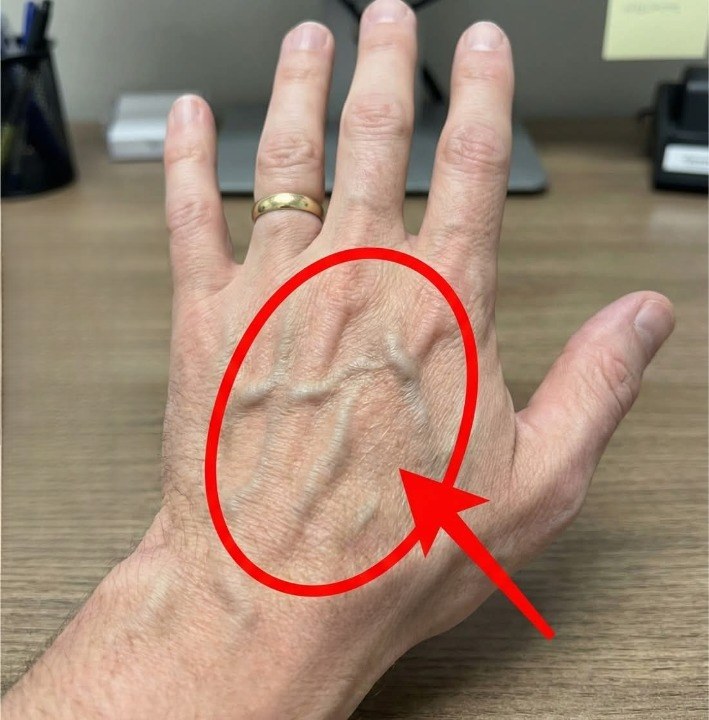
What Visible Veins Really Mean — The Truth About What They Say About Your Health
Many people have had that moment of sudden concern when they glance at their hands or legs and notice their veins appearing more prominent than usual. Those blue or green lines just beneath the skin can look alarming, often leading to worries about circulation problems or heart issues. In reality, the explanation behind visible veins is far more nuanced—and in most cases, far less serious than people assume. Understanding why veins become more noticeable helps separate harmless physical traits from actual health concerns.
Visible veins are simply part of the body’s system for returning blood to the heart after oxygen and nutrients have been delivered throughout the body. For some individuals, these veins are naturally more noticeable due to several physical and environmental factors. One of the most common reasons is having a lower body fat percentage. Fat acts as a cushion between the skin and the veins, so when there is less of it, veins sit closer to the surface and become more visible—especially in areas like the arms and legs. This is why athletes and physically fit individuals often display more defined veins; it typically reflects conditioning rather than poor health.
As people age, their skin undergoes natural changes that also affect how veins appear. Over time, the skin loses collagen and elasticity, becoming thinner and more transparent. This makes the veins underneath easier to see. Genetics also play a major role. Some people naturally have lighter or thinner skin that does less to conceal the vascular system beneath it. If visible veins run in your family, chances are you may notice the same trait regardless of your overall health.
External conditions and daily habits can also make veins appear more prominent at certain times. For example, exposure to heat—such as during a hot shower or warm weather—causes blood vessels to expand, a process called vasodilation. This allows more blood to flow near the surface of the skin to help regulate body temperature, making veins appear larger. Exercise has a similar effect. When muscles demand more oxygen, blood flow increases, and the surrounding muscles can push veins closer to the skin, creating the more pronounced appearance often seen during or after physical activity.
A common misconception is that visible veins indicate poor circulation. In truth, the opposite is often the case. Prominent veins usually suggest that blood is moving efficiently through the body. Poor circulation tends to present very different symptoms, such as consistently cold hands and feet, a bluish tint to the skin, reduced pulse in certain areas, or slow-healing wounds. Tingling, numbness, and persistent discomfort are far more accurate signs of circulatory issues than simply seeing veins under the skin.
That said, there are situations where visible veins may signal a medical concern. Varicose veins are a common example. These occur when the valves inside the veins, which normally keep blood flowing in one direction, weaken or fail. As a result, blood pools inside the vein, causing it to swell, twist, and sometimes become painful. Unlike normal visible veins, varicose veins often feel raised or lumpy and may come with a heavy or aching sensation in the legs. A more serious condition, chronic venous insufficiency, occurs when veins struggle to return blood properly, leading to swelling, skin changes, and even ulcers if not treated.
There are also warning signs that should never be ignored. If a vein suddenly becomes hard, warm, or painful, it could indicate inflammation or a blood clot, such as superficial thrombophlebitis. More serious still is deep vein thrombosis, which typically causes sudden swelling and pain in one leg and requires immediate medical attention. Other concerning symptoms include persistent cramping during movement, skin discoloration, tightness around the veins, or sores near the ankles that do not heal.
For those looking to support their vascular health, simple lifestyle choices can make a significant difference. Regular physical activity is one of the most effective approaches. Walking, swimming, or cycling helps improve blood circulation by allowing muscles—especially in the legs—to assist in pushing blood back toward the heart. Maintaining a healthy weight reduces strain on the veins, while proper hydration helps keep blood flowing smoothly.
Some people turn to supplements in hopes of improving vein health. Natural compounds like horse chestnut extract, ginkgo biloba, and grape seed extract are often promoted for supporting blood flow and strengthening vein walls. While some research suggests potential benefits, these should not replace proper medical care and may interact with certain medications. Focusing on daily habits—such as avoiding long periods of sitting or standing and using compression stockings when needed—is generally a more reliable approach.
In the end, visible veins are usually nothing more than a reflection of your body’s natural structure and life circumstances. They can reveal aspects of your genetics, age, fitness level, and even your environment. Unless they are accompanied by pain, swelling, or noticeable skin changes, they are typically a normal part of how the body functions. By staying active, paying attention to genuine warning signs, and understanding what your body is telling you, you can maintain good circulatory health without unnecessary worry.