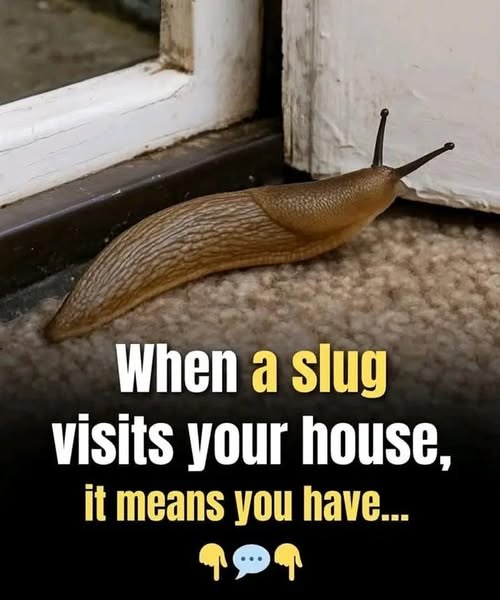
Slugs are rarely the first animals people think of when considering the hidden workers of nature. Most individuals dismiss them as unwanted, slimy visitors that show up after rainfall or quietly slip into houses at night. But behind that wet, glossy surface is a surprisingly important creature that contributes meaningfully to ecosystems and even modern science.
From enhancing soil fertility to influencing medical and cosmetic research, and even assisting scientists in understanding brain function, slugs have a far greater impact than they are usually given credit for.
Nature’s Silent Decomposers
A major part of the slug’s ecological role happens right beneath our feet. These slow creatures feed on decomposing leaves, fungi, and other organic remnants, breaking them down naturally over time.
By consuming decaying material, slugs help recycle nutrients back into the ground, improving soil health and supporting plant life. Without organisms like them constantly processing organic waste, natural systems would lose balance and become far less efficient.
Even though their movement is sluggish, their environmental contribution is steady and essential.
An Important Role in the Food Web
Slugs may not be admired, but they are a vital food source for many species. Birds, frogs, toads, beetles, and hedgehogs all rely on them as part of their regular diet.
Because of this, slugs help maintain ecological stability. If they were to disappear, it would disrupt many interconnected species. Even the ordinary garden slug plays a quiet but necessary role in keeping natural systems functioning.
So when you spot one in your garden, it is worth remembering that for another animal, it may be a crucial meal.
The Surprising Potential of Slug Mucus
One of the most unexpected areas of scientific interest is slug slime.
The trail they leave behind contains compounds thought to have antibacterial, anti-inflammatory, and tissue-repairing properties. Researchers are investigating whether these substances could one day be used in healing wounds or improving skin recovery.
Cosmetic science has also taken interest in it. Similar to snail mucin used in some skincare products, slug mucus contains elements like antioxidants and hyaluronic acid that may help hydrate and protect skin.
It might sound unusual, but the slug moving across a garden today could indirectly influence future skincare developments.
Contributions to Brain Research
Slugs also play a surprising role in neuroscience studies.
Their simple nervous systems make them useful for scientists trying to understand how learning and memory function. Research involving slugs has helped shed light on how information is stored and processed in more complex brains.
Despite their basic biology, they continue to offer valuable clues that may one day improve understanding of the human brain.
Reasons Slugs Enter Houses
If slugs keep appearing inside your home, there are usually straightforward environmental reasons attracting them.
Moist Conditions
Slugs are drawn to moisture. Damp rooms, condensation, leaking pipes, or wet surfaces easily attract them indoors.
Nearby Vegetation
Gardens, plants, and dense greenery close to a house can give slugs easy pathways and food sources.
Dark and Hidden Areas
They prefer sheltered spaces. Piles of wood, leaves, stones, or clutter near entry points create ideal hiding spots.
Heat and Shelter
During cooler nights, slugs may move inside seeking warmth and humidity.
Reducing damp areas, clearing outdoor debris, and sealing small gaps around doors and windows can significantly reduce their presence.
More Important Than They Seem
Slugs might not be attractive or appreciated, but they are far from pointless.
They enrich soil, support food chains, contribute to scientific discovery, and may even inspire future breakthroughs in medicine and skincare. That is a remarkable impact for a creature most people overlook.
So the next time you see a slug sliding across a path or garden, it is worth pausing for a moment. It plays a quiet but meaningful role in the world around us.
Sometimes the most underestimated living things turn out to be the most interesting of all.