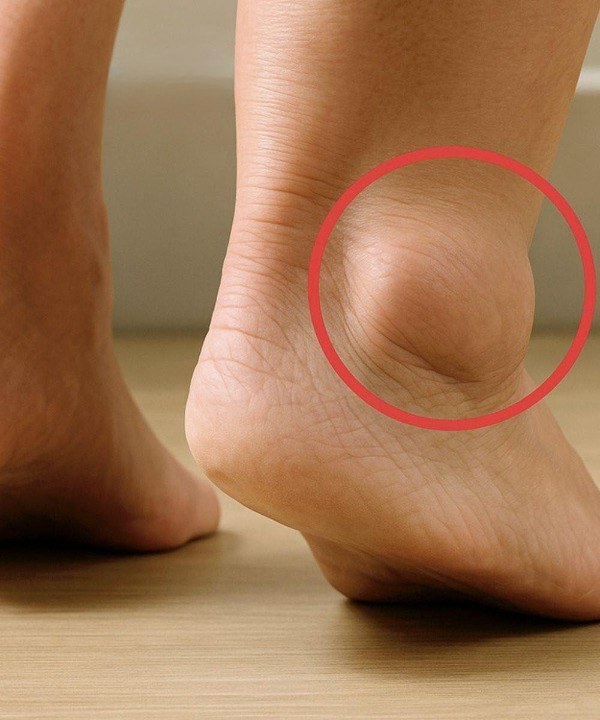
Swollen feet are a frequent concern for many older adults, and while the condition is often harmless, it can sometimes point to underlying health problems that should not be ignored. This swelling, medically known as edema, happens when excess fluid builds up in the tissues of the feet, ankles, and lower legs. As people age, natural changes in the body can slow down circulation and make it harder for fluids to move efficiently through the bloodstream. When this happens, gravity causes fluid to settle in the lower parts of the body, particularly in the feet and legs. The swelling often becomes more noticeable after long periods of standing or sitting, especially later in the day. One of the most common reasons for this condition is poor circulation, which tends to become more common with age. Another frequent cause is chronic venous insufficiency, a condition in which the veins have difficulty pushing blood from the legs back toward the heart. Certain medications may also contribute to swelling. Drugs used to treat high blood pressure, inflammation, or hormone-related conditions can sometimes lead to fluid retention as a side effect. In other situations, swelling in the feet may be connected to more serious medical conditions such as heart disease, kidney problems, or liver disease. These conditions can disrupt the body’s ability to regulate fluid levels properly. Lifestyle habits may also increase the likelihood of swelling. Limited physical activity, sitting for long hours during travel, or consuming foods high in sodium can all contribute to the buildup of fluid in the lower extremities.
Fortunately, there are several practical steps older adults can take to reduce swelling or prevent it from becoming worse. One of the most effective solutions is regular movement. Gentle activities such as walking, light stretching, or simple exercises can help improve blood circulation and encourage fluid to move through the body more effectively. Elevating the feet above heart level for short periods throughout the day can also help reduce swelling by allowing excess fluid to drain away from the legs. Choosing comfortable footwear that provides proper support is another helpful measure, as tight or poorly fitted shoes can increase pressure on the feet and worsen swelling. Many healthcare providers also recommend compression socks or stockings, which gently support the legs and help improve blood flow back toward the heart. Diet is another important factor in managing fluid balance. Reducing salt intake can help prevent the body from retaining unnecessary fluid, while foods rich in potassium, such as bananas, leafy greens, sweet potatoes, and avocados, may support healthier fluid regulation. While occasional swelling is usually not a cause for concern, sudden or severe swelling should not be ignored. If swelling is accompanied by symptoms such as pain, redness, warmth, or difficulty breathing, it is important to seek medical attention right away. Regular checkups with a healthcare professional can help identify the underlying causes of swelling and ensure that appropriate treatment or lifestyle adjustments are made to maintain overall health and comfort.