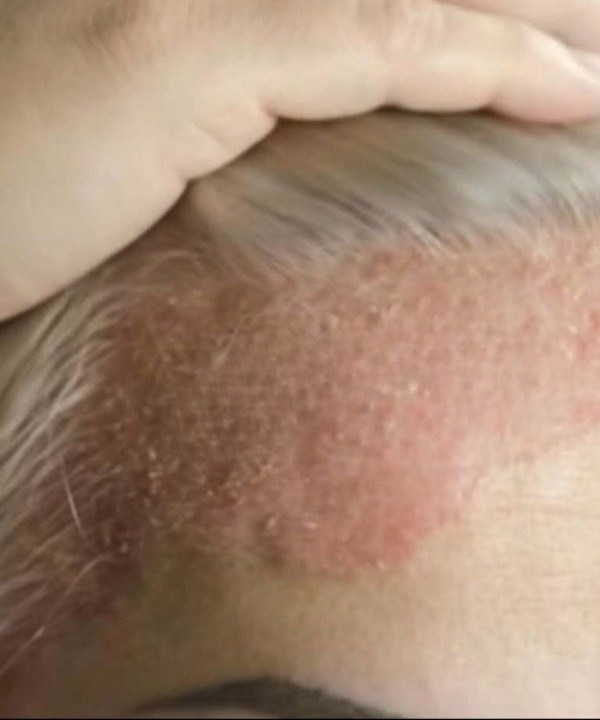
An itchy, irritated scalp has a way of creeping up on you slowly before suddenly becoming impossible to ignore. One day, you notice a few flakes on your shirt. A few days later, your scalp feels tight, dry, and constantly uncomfortable. Before long, the itching becomes relentless, your confidence takes a hit, and you are left wondering what exactly went wrong.
For many people, the answer is surprisingly simple.
One of the most common nighttime habits quietly contributing to scalp irritation is going to bed with wet or damp hair.
It seems harmless at first. After a long day, it feels easier to shower at night, quickly towel dry your hair, and collapse into bed exhausted. But while you sleep, that trapped moisture creates the perfect environment for scalp problems to develop and intensify. Your pillow becomes warm, humid, and unable to properly ventilate the scalp for hours at a time.
Over time, this habit can disrupt the delicate balance of your scalp in ways most people never consider.
When moisture remains trapped against the scalp overnight, it weakens the skin barrier and creates an ideal breeding ground for yeast and bacteria. This is especially problematic for individuals already prone to dandruff, sensitivity, or inflammatory scalp conditions. Instead of allowing the scalp to breathe and recover during sleep, damp hair keeps the skin in a prolonged state of irritation.
The result can be redness, itchiness, flaking, tenderness, and even a greasy or sour smell coming from the scalp.
For some people, the issue develops into seborrheic dermatitis, a condition often mistaken for ordinary dandruff. Unlike mild dandruff, seborrheic dermatitis tends to produce inflamed patches and stubborn yellow or white flakes that cling to the scalp. Stress, lack of sleep, colder weather, and trapped moisture all tend to worsen it dramatically.
The danger is that many people do not connect their symptoms to their nighttime routine at all.
Instead, they blame shampoo, seasonal changes, or stress alone while continuing the very habit that may be fueling the irritation every single night.
Sleeping with wet hair can also create additional problems beyond inflammation. Hair itself becomes more fragile when wet. The constant friction between damp strands and a pillowcase weakens the hair shaft, increasing breakage, split ends, and tangling. Cotton pillowcases can make the damage even worse by pulling moisture from the hair while simultaneously creating rough friction against delicate strands.
In some cases, prolonged moisture exposure can even encourage fungal growth on the scalp. This is particularly risky for individuals with oily skin, sensitive immune systems, or preexisting scalp conditions. What begins as a little itching can gradually escalate into painful irritation, scabbing, or patches of hair thinning if ignored for too long.
Another overlooked factor is how nighttime habits interact with styling products.
If hairspray, dry shampoo, mousse, oils, or leave-in conditioners remain trapped against the scalp overnight without proper drying or cleansing, the buildup combines with sweat and moisture to clog follicles and aggravate inflammation. Many people unknowingly create a cycle where they add more products to “fix” dryness or frizz while the underlying irritation continues getting worse.
Fortunately, small changes can make a major difference.
Allowing your hair to fully dry before bed is one of the simplest and most effective ways to protect scalp health. Even partially drying the roots with a blow dryer on a cool or low heat setting can help reduce trapped moisture. Switching to breathable pillowcases such as silk or satin may also minimize friction and irritation during sleep.
Gentle scalp care matters as well.
Using mild shampoos, avoiding excessive scratching, staying hydrated, and limiting harsh styling chemicals can all help restore balance. If flakes or redness persist, medicated shampoos containing ingredients like ketoconazole, zinc pyrithione, or selenium sulfide may help calm the inflammation over time.
Still, certain warning signs should never be ignored.
If scalp irritation becomes severe, painful, swollen, or accompanied by hair loss or pus-like drainage, it is important to consult a healthcare professional or dermatologist. Persistent symptoms may indicate eczema, psoriasis, fungal infections, or other conditions requiring targeted treatment.
The truth is that scalp health is deeply connected to everyday habits most people barely think about. Something as routine as falling asleep with damp hair can quietly trigger weeks or even months of discomfort before you finally realize what is happening.
Sometimes, the problem is not a mysterious illness or an expensive hair product.
Sometimes, it is simply the little habits repeated night after night without realizing the damage they leave behind.