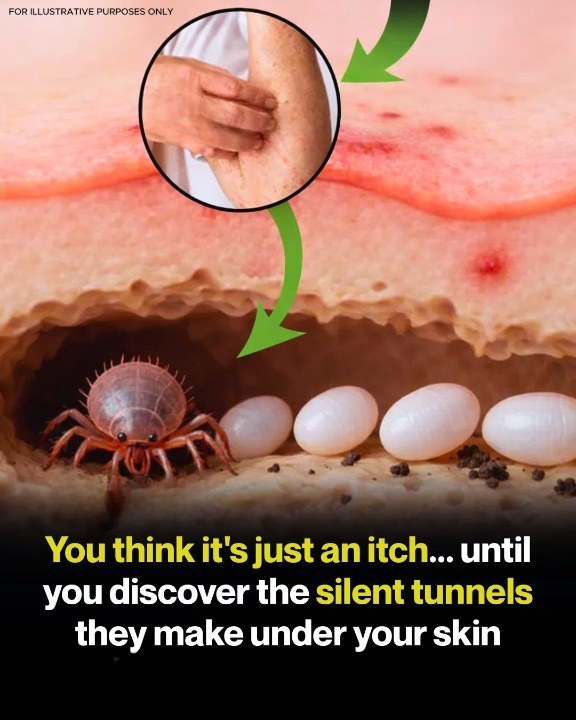
Skin irritation is one of those problems that can quietly take over your life. Persistent itching, redness, or unexplained rashes often lead people to assume they’re dealing with a simple allergy. But there’s another condition that frequently masquerades as one—and ignoring it can have serious consequences.
Scabies is commonly misunderstood, underestimated, and misdiagnosed. In its early stages, it can look very similar to allergic skin reactions, yet the two conditions are entirely different in cause, treatment, and risk. Confusing one for the other doesn’t just delay relief—it can allow scabies to spread to family members and close contacts.
Knowing how to recognize the differences can protect both your health and the people around you.
What Scabies Really Is (and What It Is Not)
Scabies—medically known as scabiosis—is a skin infestation caused by a microscopic mite called Sarcoptes scabiei. These mites are invisible to the naked eye, but once they enter the skin, they can cause intense and persistent symptoms.
One of the most harmful myths about scabies is that it’s linked to poor hygiene. This is false. Scabies has nothing to do with cleanliness. It spreads through human contact, which means anyone can get it—children, adults, seniors, and people with excellent personal hygiene.
After contact, the mite burrows into the outer layer of the skin to live and lay eggs. The itching and rash aren’t caused by dirt or poor care, but by your body’s immune reaction to the mite, its eggs, and its waste products.
Why Scabies Itching Is Worse at Night
One of the clearest warning signs of scabies is severe itching that becomes much worse at night. Many people describe it as deep, relentless, and exhausting—often disrupting sleep for days or even weeks.
This nighttime intensity happens because:
-
Body temperature naturally rises during sleep
-
Warm bedding increases skin sensitivity
-
Fewer distractions make itching feel more intense
-
The immune system’s response is more noticeable at rest
It’s important to understand that the itch isn’t caused by mites actively crawling at night. Instead, it’s your immune system reacting to what the mites leave behind in the skin. Even after treatment begins, itching may linger for a short time as the body continues to clear the inflammatory response.
How Scabies Spreads—and Why Families Are at Risk
Scabies spreads mainly through prolonged, close skin-to-skin contact. A quick handshake usually isn’t enough, but longer contact allows mites to transfer easily.
High-risk situations include:
-
Sharing a bed
-
Living in the same household
-
Extended physical contact
-
Crowded living environments
In some cases, scabies can also spread through recently used clothing, towels, or bedding. That’s why doctors often recommend treating all household members at the same time—even if some don’t have symptoms yet. Without coordinated treatment, reinfection is common and symptoms can drag on for months.
How Skin Allergies Are Different
Skin allergies are not caused by parasites and are not contagious. They occur when the immune system reacts to a substance it mistakenly believes is harmful.
Common allergy triggers include:
-
Soaps, detergents, or cleaning products
-
Skincare or cosmetic ingredients
-
Certain foods
-
Environmental allergens like pollen, dust, or pet dander
Allergic rashes often improve once the trigger is removed. While itching and redness may occur, allergies typically do not cause intense nighttime itching, burrow-like marks, or patterned rashes that are common with scabies.
Why Self-Diagnosing Can Make Things Worse
Because scabies and allergies can look similar, guessing the cause can lead to the wrong treatment. This can:
-
Fail to eliminate scabies mites
-
Temporarily mask symptoms without fixing the problem
-
Allow scabies to spread to others
-
Prolong discomfort and frustration
Over-the-counter anti-itch creams may soothe symptoms but do not treat scabies. Only a healthcare professional can confirm the diagnosis and prescribe effective treatment, which may include medicated creams or oral medications. Proper treatment often also involves washing bedding and clothing in hot water and cleaning commonly used items.
Why Early Action Makes a Big Difference
Recognizing scabies early and treating it properly can:
-
Shorten recovery time
-
Prevent spread within households
-
Improve sleep and daily comfort
-
Reduce stress and uncertainty
Understanding the difference between scabies and allergies isn’t just about symptom relief—it’s about protecting your health and stopping a highly contagious condition from quietly spreading. When in doubt, seeking medical advice early is the safest and smartest choice.