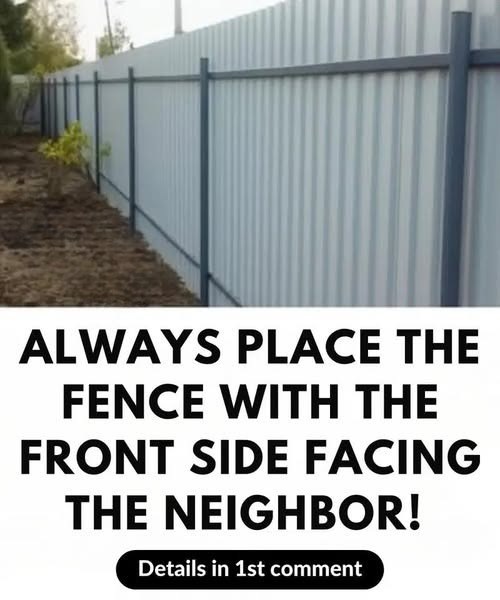
When homeowners decide to put up a fence, most people focus on the basics: privacy, security, and clearly marking property boundaries. The goal is simple—keep pets in, unwanted visitors out, and maybe create a little distance from curious neighbors. But there’s one important rule that often gets overlooked until it causes problems. The finished, “good” side of the fence should always face your neighbor.
At first, this might seem like a minor design choice. After all, you’re paying for the fence, so it makes sense to want the nicer-looking side facing your own yard. But turning it the other way—so the exposed posts and rails face your neighbor—can quickly create both social tension and legal trouble.
The first impact is on your relationship with the people next door. A fence may separate properties, but it doesn’t have to create hostility. When you face the clean, finished side outward, it shows consideration. It says you care about how your home affects others. On the other hand, making your neighbor look at the rough, unfinished side can feel disrespectful. Even if that wasn’t your intention, it can easily lead to frustration and resentment, turning a simple project into a long-term conflict.
Beyond that, there are legal considerations. Many cities and homeowner associations have clear rules about fence placement and appearance. These “good neighbor” regulations often require that the finished side face outward toward the street or adjacent properties. Ignoring these rules can come with real consequences. A complaint could lead to fines or even force you to take the fence down and rebuild it correctly—costing far more than doing it right the first time.
There’s also the issue of property value. A fence that shows its structural side to the street or neighboring homes can make your property look unfinished or poorly maintained. That can hurt curb appeal and even impact how potential buyers see your home if you ever decide to sell.
If you want to avoid all of these issues, there’s a simple alternative: a double-sided or shadowbox fence. These designs look the same on both sides, so no one gets stuck with the “bad” view. While they may cost a bit more upfront, they can save you from disputes, complaints, and future expenses.
In the end, a fence shouldn’t create problems—it should quietly improve your space. By understanding the rules, communicating with your neighbors, and installing it the right way, you protect both your investment and your peace of mind. A small decision like which way your fence faces can make a big difference, so it’s worth getting it right from the start.