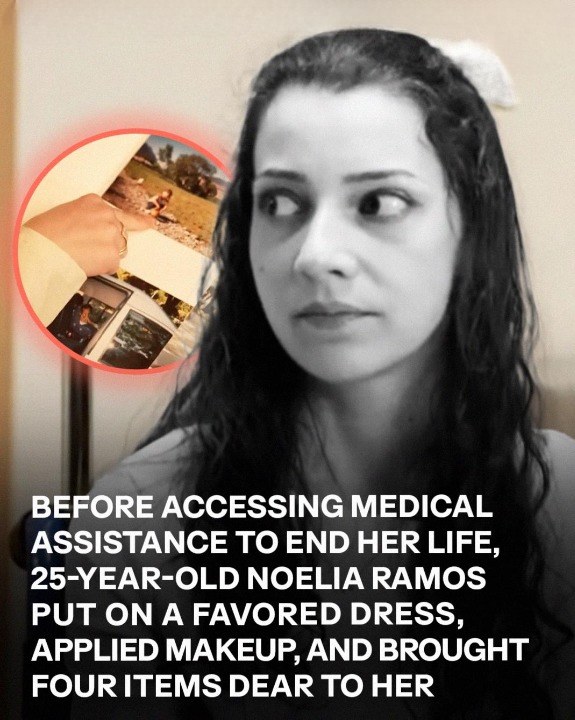
The story of Noelia Castillo Ramos came to a deeply emotional close, ending a long and difficult journey marked by trauma, illness, and an intense legal battle.
At just 25 years old, the young woman from Barcelona chose to proceed with euthanasia after years of suffering she described as unbearable. Her life had been shaped by early struggles with mental health, followed by traumatic experiences that left lasting physical and emotional effects. In 2022, a severe fall changed everything, leaving her paraplegic and in constant pain. That moment only intensified her condition and strengthened her decision.
In her final public interview, Noelia spoke with honesty about her situation. She didn’t speak from despair alone, but from a clear desire for peace and dignity. Her words reached many people, bringing attention to how deeply personal and complex such decisions are.
Her case also sparked a wider conversation across Spain.
While her mother chose to support her decision, even though it was emotionally difficult, her father took a different path. He challenged the decision in court, arguing that her condition affected her ability to make such a serious choice. What followed was a prolonged legal process that moved through several levels of the judicial system.
In the end, the courts determined that Noelia met all legal requirements under Spain’s euthanasia law and had the capacity to make her own decision.
Her case became more than a personal story. It turned into a national discussion about autonomy, ethics, and compassion in end-of-life care.
For many, it highlighted the difficult balance between respecting an individual’s right to choose and the emotional perspectives of family members who struggle to accept that choice.
Noelia’s story continues to leave a lasting impact.
It reminds people that behind legal debates and public discussions are real lives, real pain, and deeply human decisions that cannot be reduced to simple answers.